A Parent’s Guide to Structured Development in Basketball


Introduction to Structured Development
Structured development in basketball is essential for young athletes aiming to enhance their skills systematically. By following a well-organized plan, players can improve their fundamental abilities while also learning the importance of teamwork and discipline. This guide aims to help parents understand how to support their children in this journey.
The Importance of Fundamentals
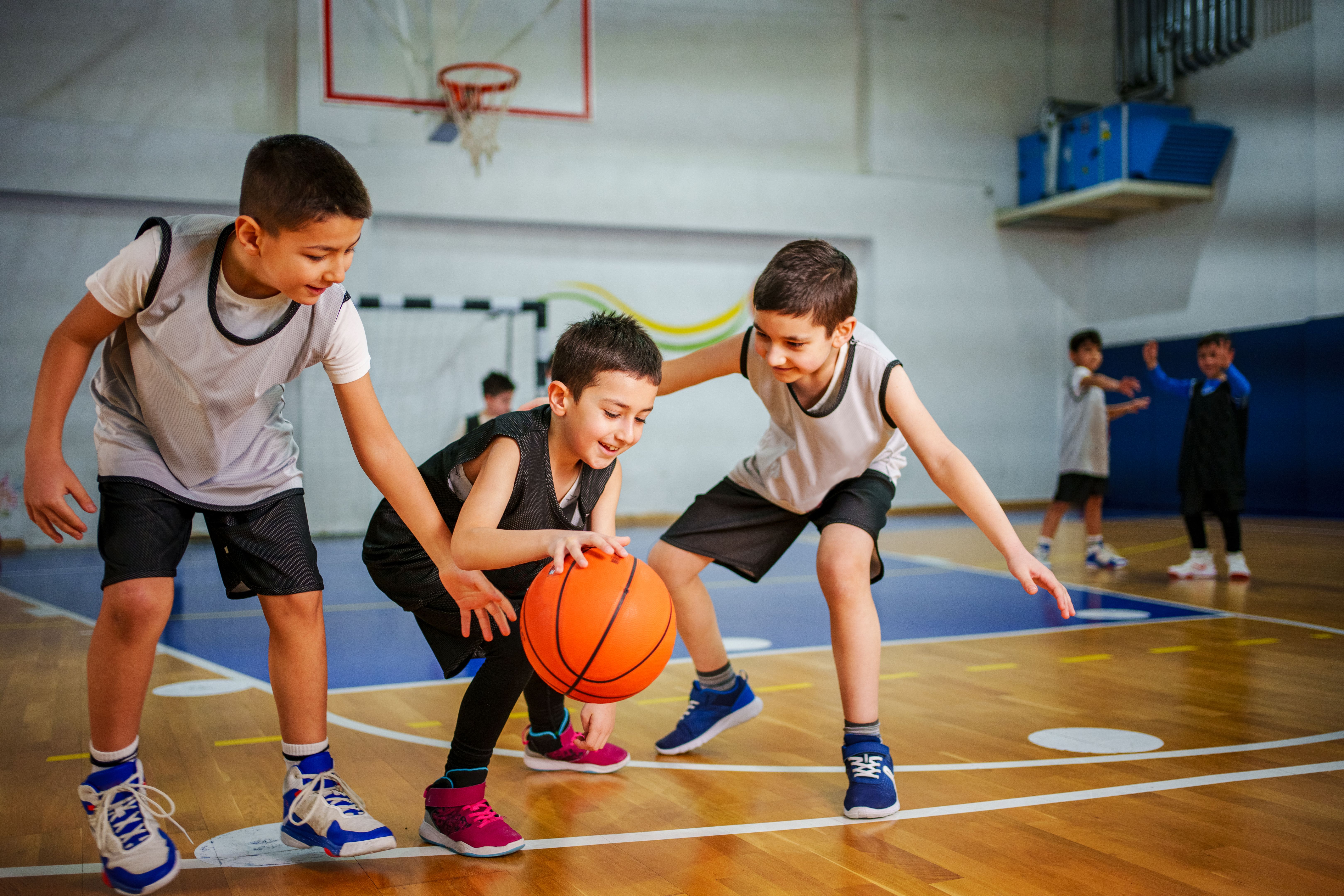
Before diving into advanced techniques, it's crucial for young players to master the basics. These include dribbling, shooting, passing, and defense. Focusing on these core skills lays a strong foundation for future success. Encouraging consistent practice and providing constructive feedback can significantly aid development.
Dribbling and Ball Handling
Dribbling is more than just bouncing the ball; it's about control and precision. Encourage your child to practice with both hands and at varying speeds. Incorporating cone drills can help enhance their agility and ball-handling skills.
Building Physical Fitness
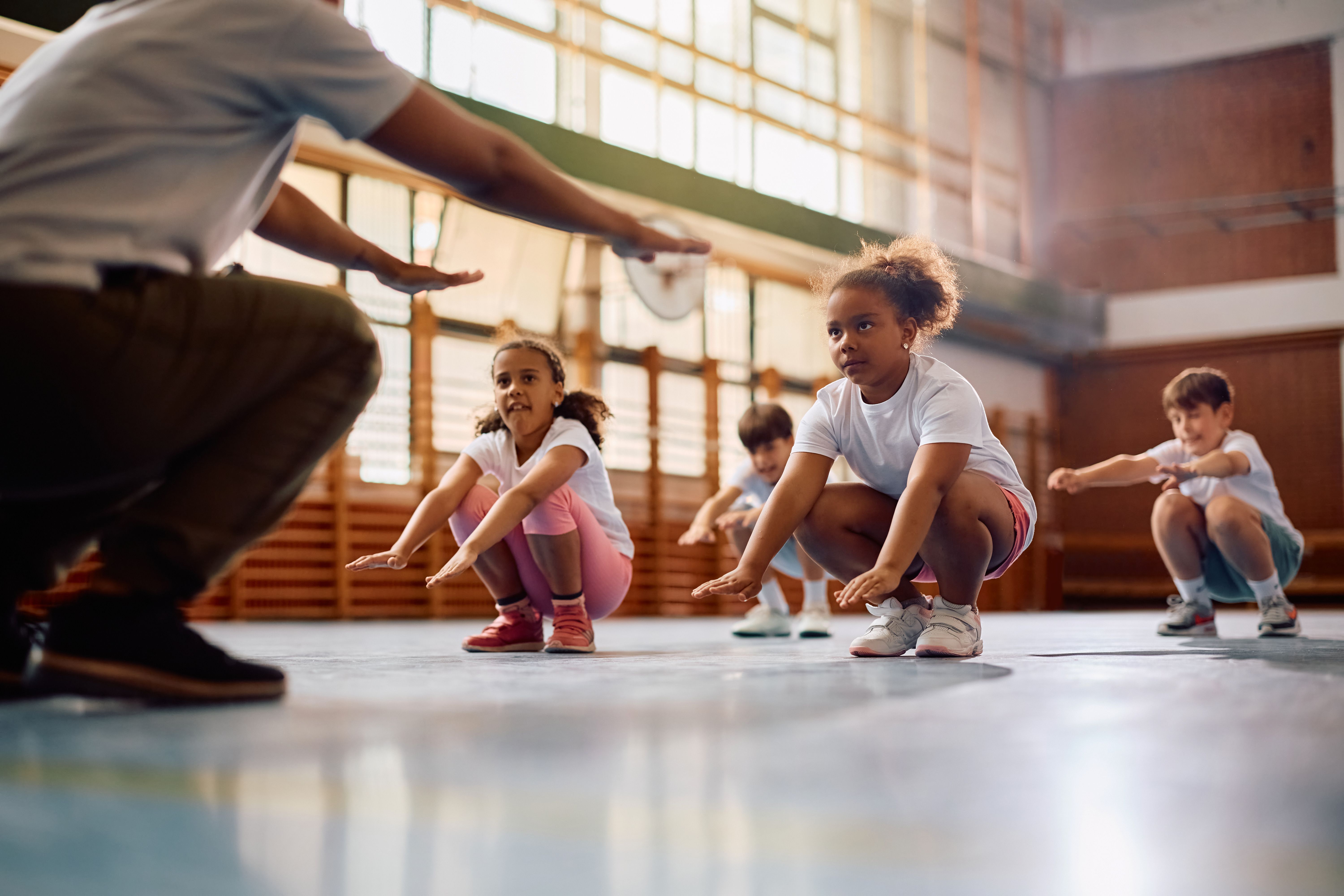
Basketball is a physically demanding sport that requires strength, endurance, and agility. Structured development should include a fitness regimen tailored to a young athlete’s age and capabilities. This helps prevent injuries and improves overall performance.
Strength and Conditioning
Implementing a basic strength and conditioning program can enhance a player's physical attributes. Focus on exercises that improve core strength, flexibility, and cardiovascular health. Activities like running, jumping, and stretching are beneficial.
Understanding Team Dynamics
Basketball is a team sport that teaches valuable lessons in collaboration and communication. Encourage your child to participate in team activities and emphasize the importance of camaraderie and sportsmanship. Understanding team dynamics can boost confidence and improve gameplay.

Effective Communication
On the court, communication is key. Players must learn to effectively convey strategies and signals during a game. Practicing clear and concise communication can enhance team performance and foster a supportive environment.
Setting Goals and Tracking Progress
Setting realistic goals is crucial for motivation and improvement. Help your child define short-term and long-term objectives and track their progress regularly. Celebrating small victories keeps them motivated and focused.
- Set achievable goals
- Track progress with a journal
- Celebrate improvements

Conclusion
Structured development in basketball is a rewarding journey that requires dedication from both the player and their support system. By focusing on fundamentals, fitness, teamwork, and goal setting, parents can play a pivotal role in their child's athletic growth. Remember, the ultimate goal is not just to develop skills but to instill a lifelong love for the game.