Off-Season Training Programs: Ensuring Your Child's Progress All Year Round


The Importance of Off-Season Training
Off-season training programs are a crucial component of an athlete's development. While it might be tempting to take a complete break, staying active during the off-season can significantly enhance your child's performance. These programs ensure that young athletes maintain their fitness levels, improve skills, and prepare for the upcoming season. By participating in structured training during the off-season, athletes can avoid the typical decline in performance that often occurs without regular practice.
Building Strength and Conditioning
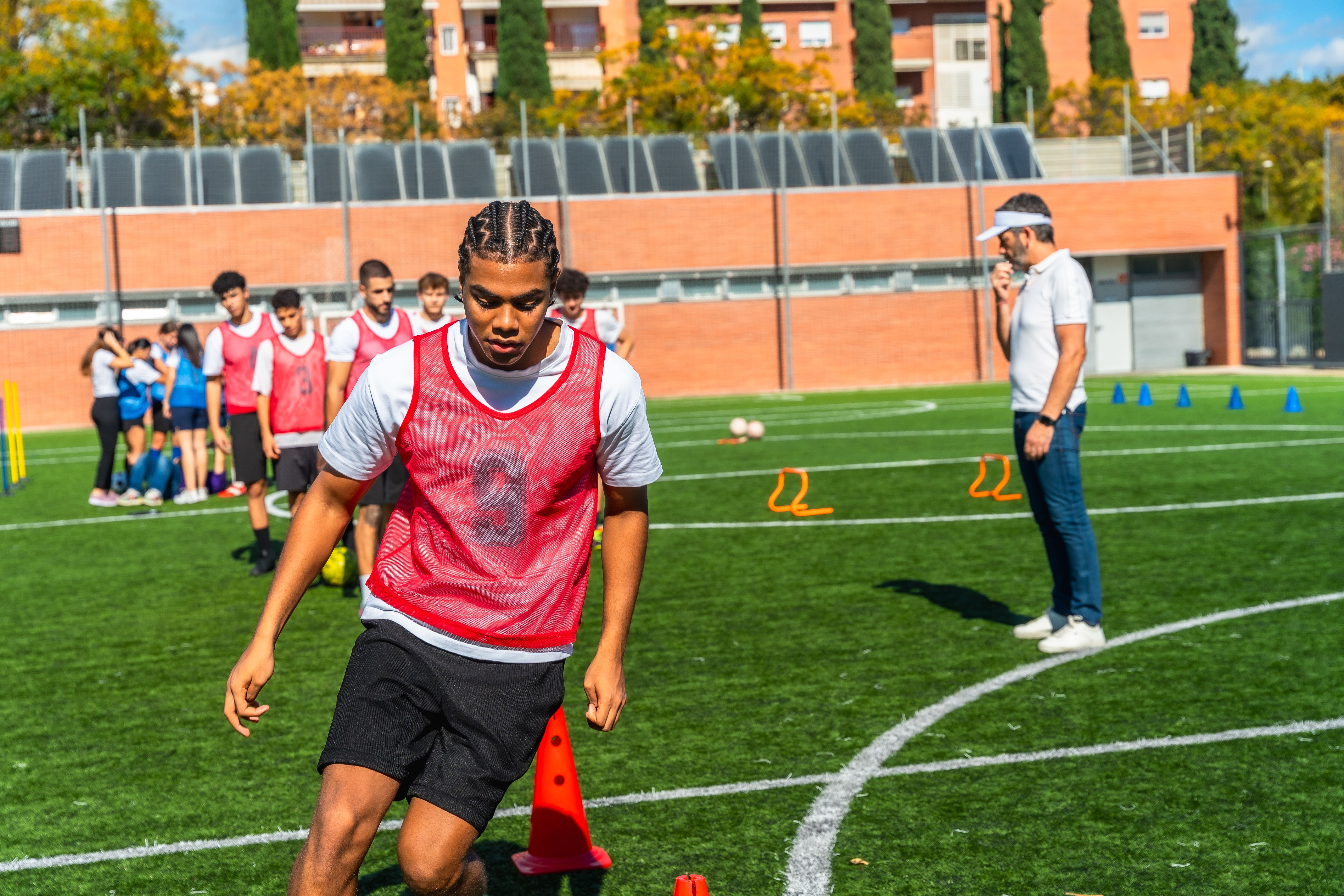
One of the primary goals of off-season training is to focus on strength and conditioning. This period provides an excellent opportunity for athletes to work on building muscle, increasing endurance, and enhancing overall physical fitness. A well-rounded program often includes a mix of weight training, cardiovascular exercises, and flexibility routines. This balanced approach helps in preventing injuries and prepares young athletes for the physical demands of their sport.
Incorporating strength training during the off-season also allows athletes to address specific weaknesses. Coaches can tailor workouts to target areas that need improvement, ensuring that each athlete receives a personalized program. This targeted approach can lead to significant gains in performance once the regular season resumes.

Skill Development and Technique
Apart from physical conditioning, off-season training programs are invaluable for skill development. Athletes can use this time to refine their techniques without the pressure of competition. Whether it's improving a basketball player's shooting accuracy or a swimmer's stroke efficiency, the off-season is the perfect time for focused skill work.
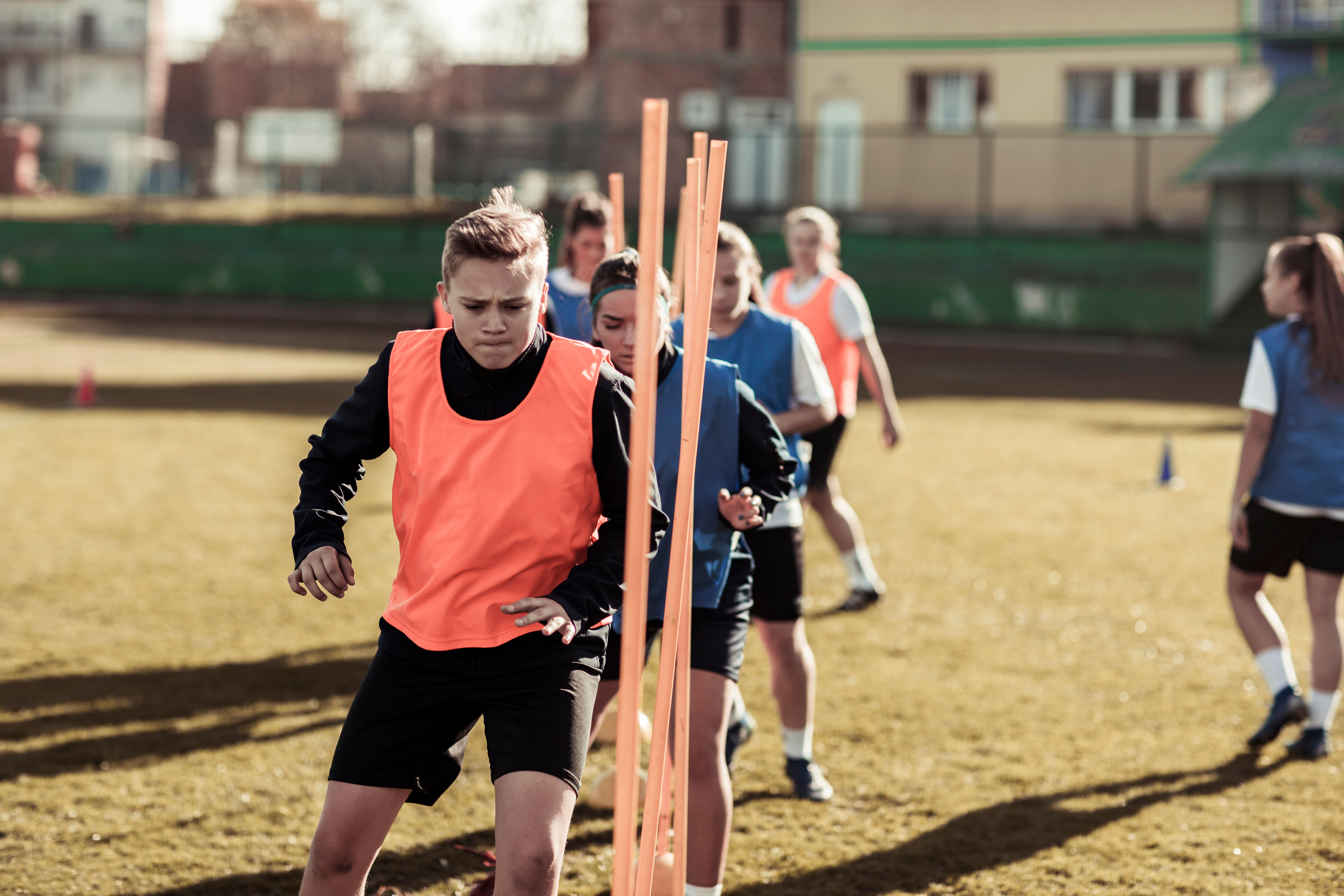
Coaches often emphasize drills that hone specific skills, allowing athletes to progress at their own pace. This individualized attention helps in building confidence and competence, setting the stage for success in the competitive season. Furthermore, learning new techniques or strategies can give athletes a competitive edge over their peers.
Mental Preparation and Goal Setting
Off-season training is not just about physical improvement; it's also an opportunity for mental growth. Athletes can work on setting achievable goals, developing resilience, and cultivating a strong work ethic. Mental preparation is critical in sports, and the off-season provides a unique chance to focus on this aspect without the distraction of regular games.
By setting clear goals, young athletes can measure their progress and stay motivated throughout the year. Coaches and parents can play a vital role in guiding athletes to set realistic, yet challenging targets. This process not only boosts confidence but also fosters a sense of accomplishment and drive.
Balancing Rest and Activity
While off-season training is essential, it's equally important to balance it with adequate rest. Recovery is a crucial component of any training program, allowing the body to heal and rejuvenate. Ensuring that young athletes get enough rest prevents burnout and reduces the risk of overuse injuries.
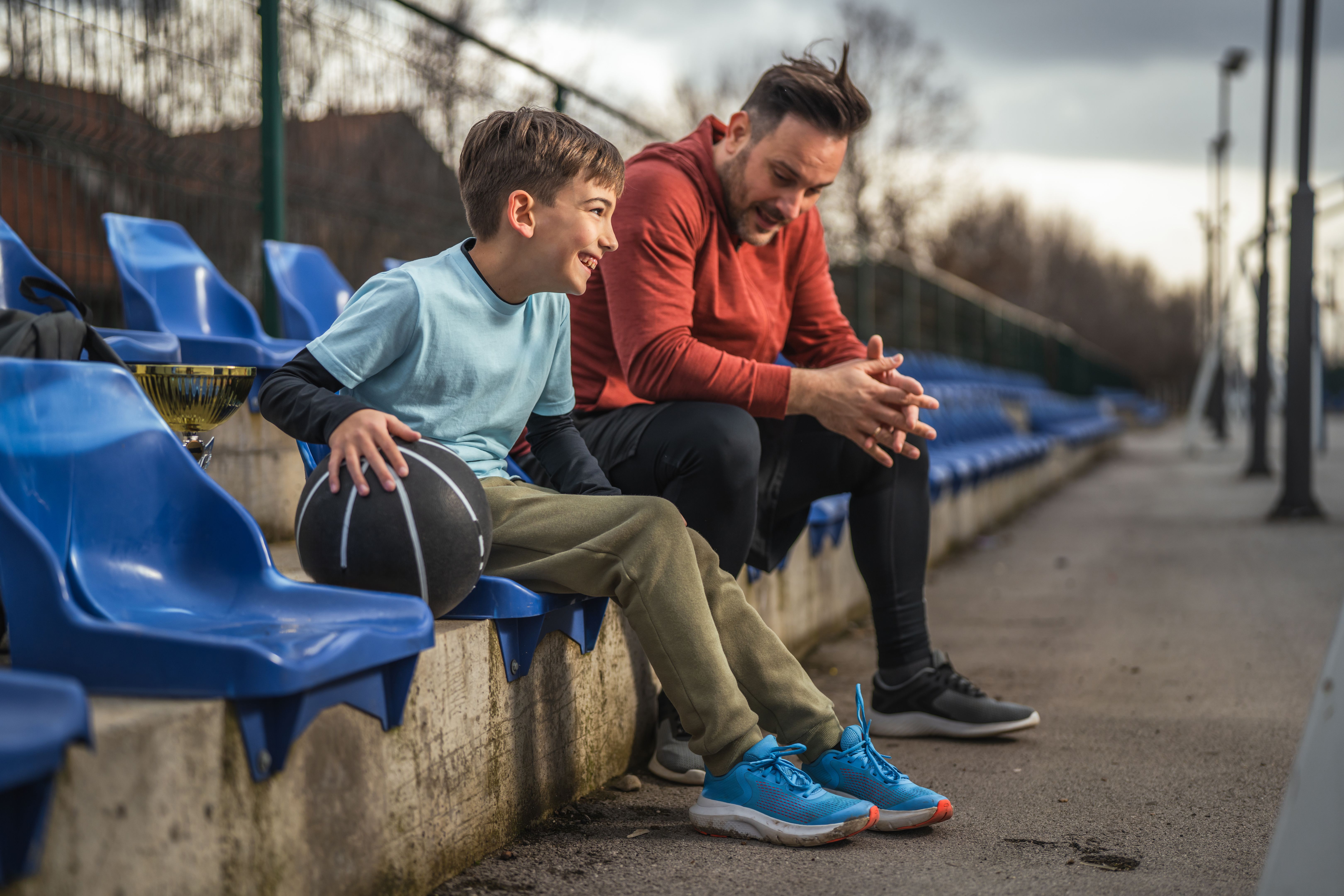
Parents and coaches should encourage athletes to listen to their bodies and prioritize recovery days. Activities like yoga, meditation, or simply engaging in a hobby can provide a mental break while keeping the athlete active. Striking the right balance between training and rest ensures that athletes return to their sport refreshed and ready to perform at their best.
Conclusion
Off-season training programs offer a holistic approach to athletic development, emphasizing not just physical conditioning, but also skill enhancement and mental growth. By participating in these programs, young athletes can ensure continuous progress, making them well-prepared for the challenges of the upcoming season. With proper guidance and support, off-season training can be a rewarding experience that sets the foundation for long-term success in sports.