The Blueprint for Developing Basketball Skills in Young Players

The Importance of Fundamentals
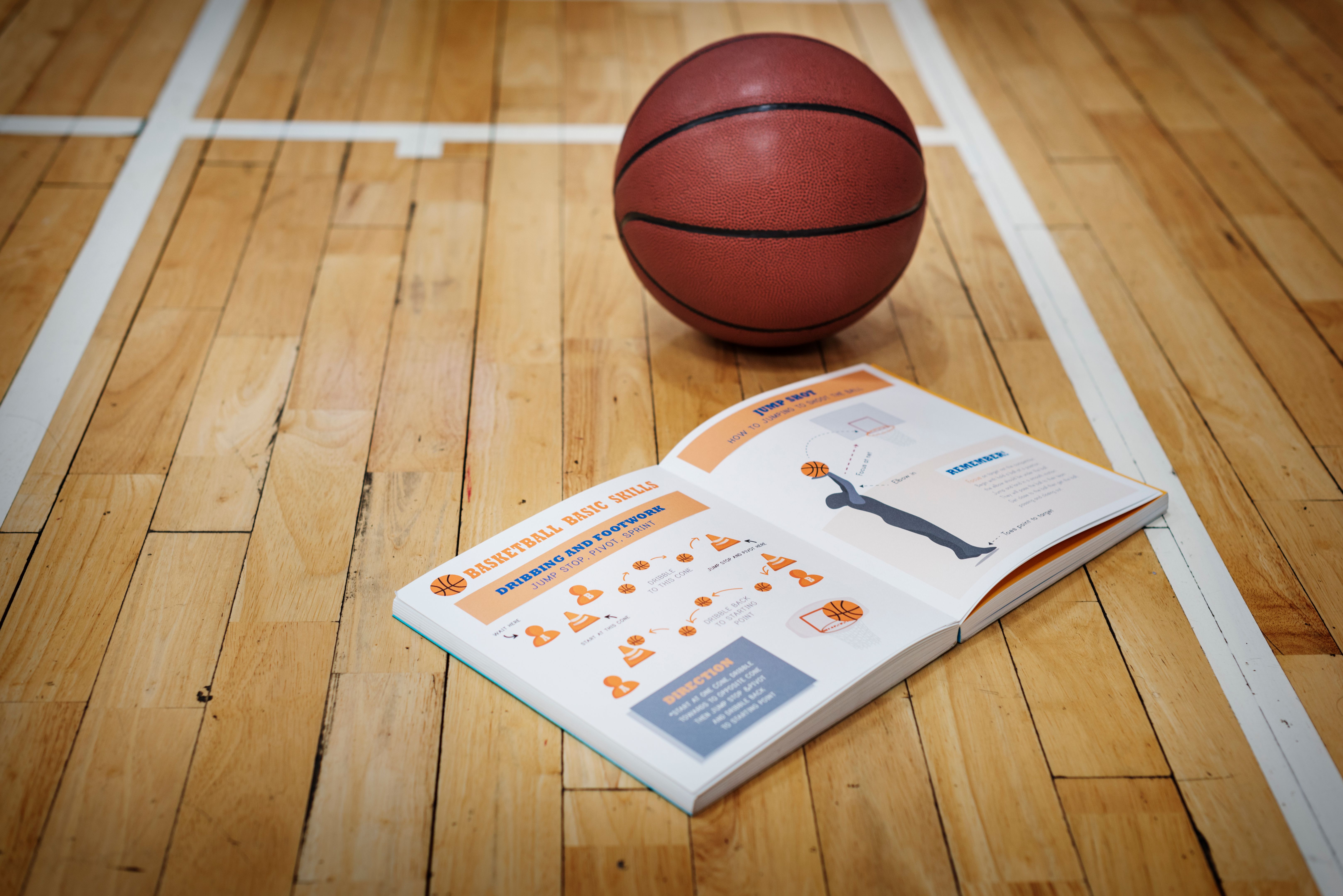
Developing basketball skills in young players starts with a strong foundation in the fundamentals. This includes dribbling, shooting, passing, and defense. By focusing on these core skills, young athletes can build the confidence needed to excel on the court. Ensuring that players understand the importance of these basics is critical for long-term development.
Dribbling Skills
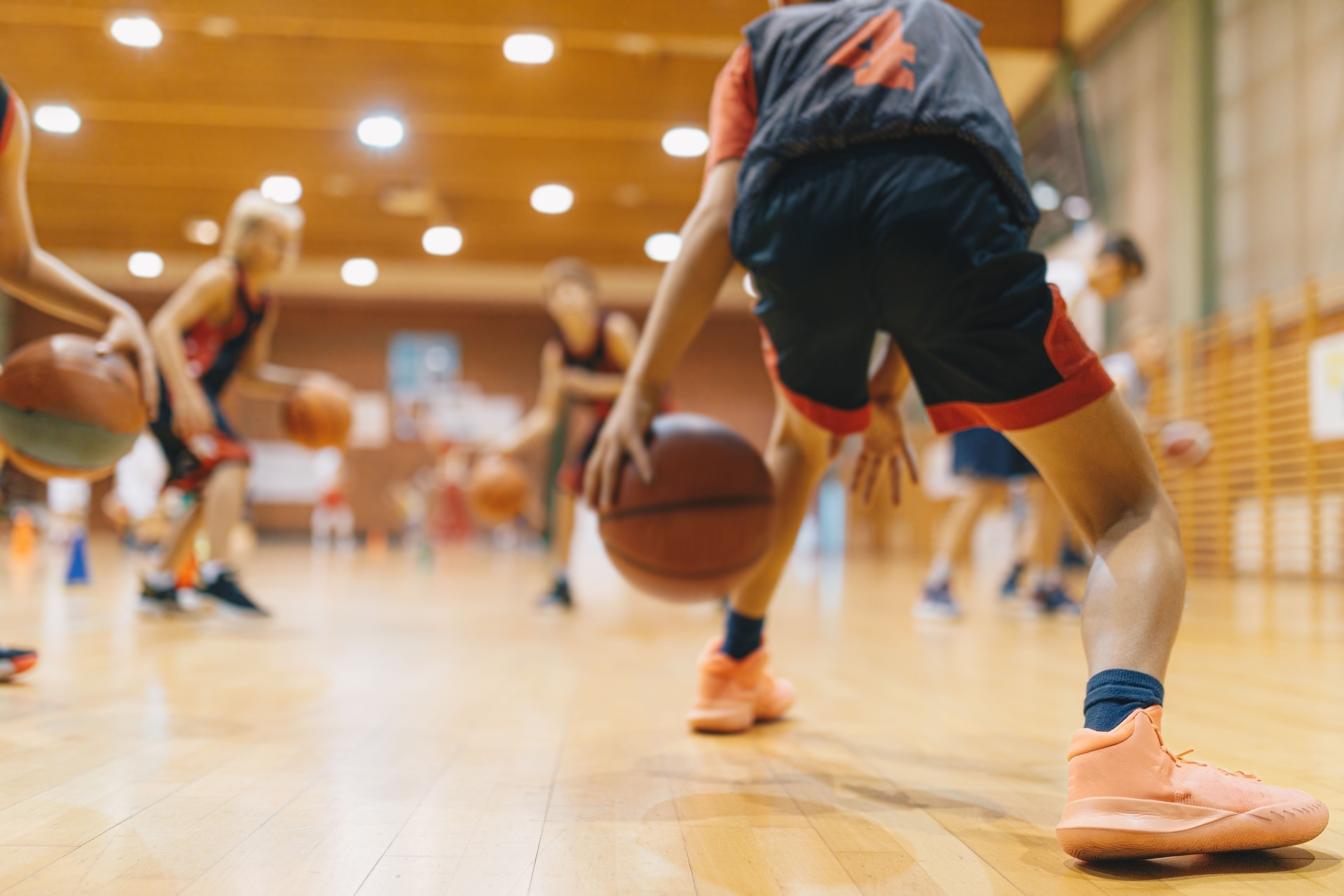
Dribbling is a key aspect of basketball that requires practice and dedication. Young players should focus on controlling the ball with both hands and improving their agility. Drills like the zig-zag dribble and crossover practice can significantly enhance a player's ability to maneuver with the ball.
Shooting Techniques
Shooting is another essential skill that demands attention. Teaching proper form, from hand positioning to follow-through, can improve shooting accuracy. Encourage players to practice free throws and three-point shots regularly to develop range and consistency. Celebrating small improvements can motivate young players to keep pushing their limits.
Building Teamwork and Communication
Basketball is a team sport that thrives on effective communication and teamwork. Young players should be encouraged to communicate on the court, whether calling for the ball or signaling a defensive switch. Developing these skills early fosters a sense of camaraderie and trust among teammates.
Passing Drills
Passing is vital for creating scoring opportunities and maintaining ball movement. Practicing various types of passes, such as chest passes, bounce passes, and overhead passes, helps players become more versatile. Incorporating passing drills into practice sessions can enhance coordination and timing.
Enhancing Physical Fitness
Physical fitness plays a crucial role in a young player's ability to perform. Strength, speed, and endurance are all components that can be developed through targeted exercises. Conditioning drills, such as sprints and agility ladders, should be integrated into training routines to build stamina and resilience.
Strength Training
While strength training should be age-appropriate, introducing basic exercises can help improve a player's overall athleticism. Bodyweight exercises, such as push-ups and squats, are excellent starting points. As players mature, they can incorporate more advanced workouts to build muscle and enhance performance.
Mental Toughness and Sportsmanship
Developing mental toughness is as important as physical skills. Young players should learn to handle pressure, setbacks, and competition with grace. Coaches can foster resilience by setting achievable goals and providing constructive feedback. Additionally, instilling a sense of sportsmanship ensures that players respect opponents and officials, promoting a positive playing environment.

Creating a comprehensive blueprint for developing basketball skills in young players involves a holistic approach. By focusing on fundamentals, teamwork, physical fitness, and mental toughness, coaches can prepare young athletes for success on and off the court. Encouragement, patience, and consistent practice are key elements in nurturing future basketball stars.