The Ultimate Guide to Slovenia Youth Sports Coaching


Slovenia, a small yet vibrant country in Central Europe, is known for its commitment to sports and youth development. With its picturesque landscapes and a strong sporting culture, Slovenia provides an excellent environment for nurturing young athletes. This guide explores the essentials of youth sports coaching in Slovenia, offering insights and tips for coaches, parents, and young athletes alike.
The Importance of Youth Sports in Slovenia
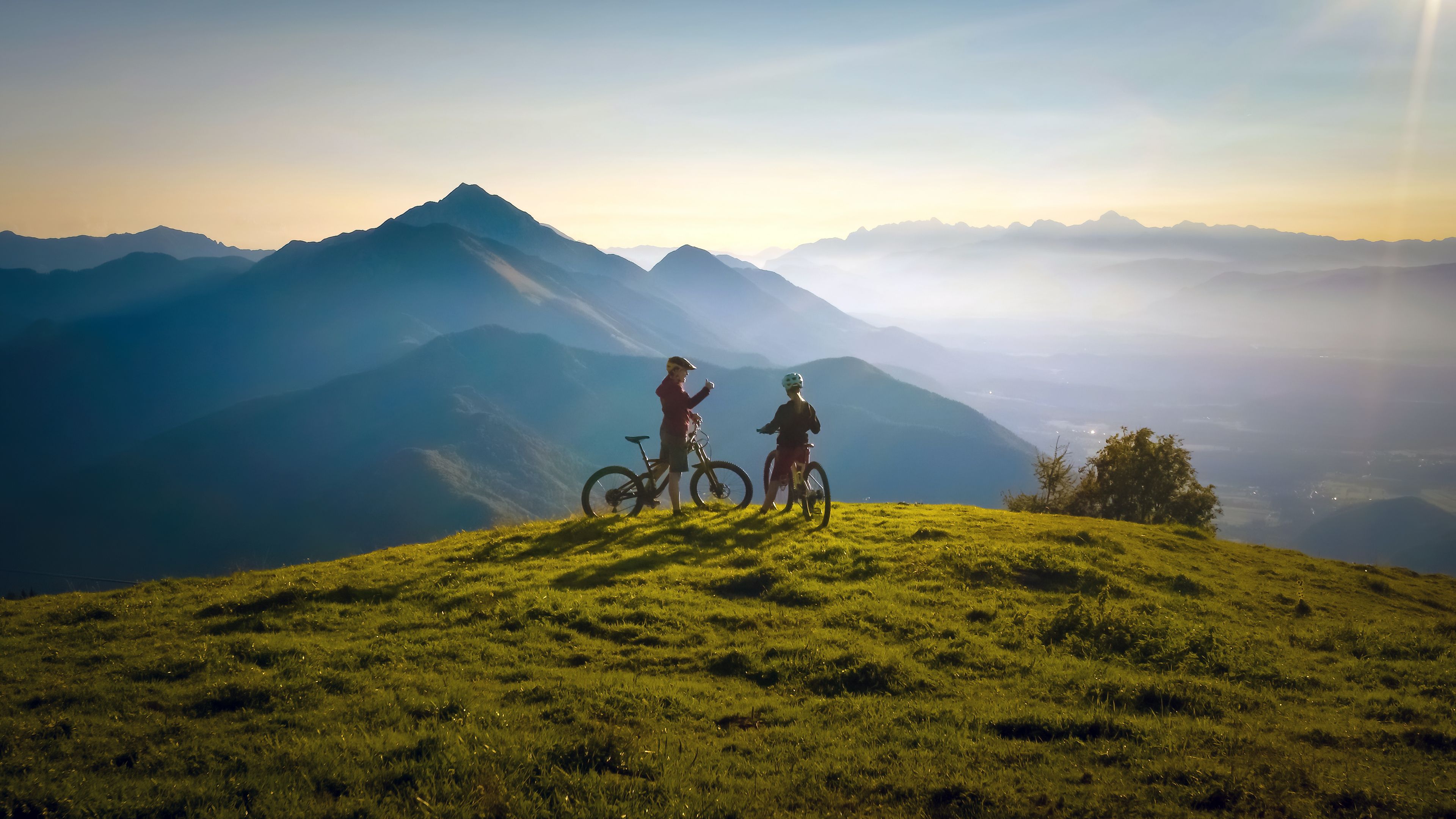
Sports play a crucial role in Slovenian society, fostering not only physical health but also teamwork, discipline, and leadership skills. From soccer and basketball to skiing and cycling, Slovenia offers a wide array of sports to engage young athletes. The country's commitment to sports is evident in the numerous youth sports clubs and programs available across various disciplines.
Coaching young athletes in Slovenia involves more than just teaching technical skills. Coaches play a vital role in shaping the character and mindset of young individuals, instilling values that will benefit them both on and off the field. This responsibility makes the role of a youth sports coach both challenging and rewarding.
Key Elements of Effective Coaching
Building a Positive Environment
A successful coach creates a supportive and positive environment where young athletes feel encouraged to learn and grow. This involves fostering a culture of respect, inclusivity, and open communication. By building strong relationships with athletes, coaches can inspire confidence and motivation.
Developing Fundamental Skills
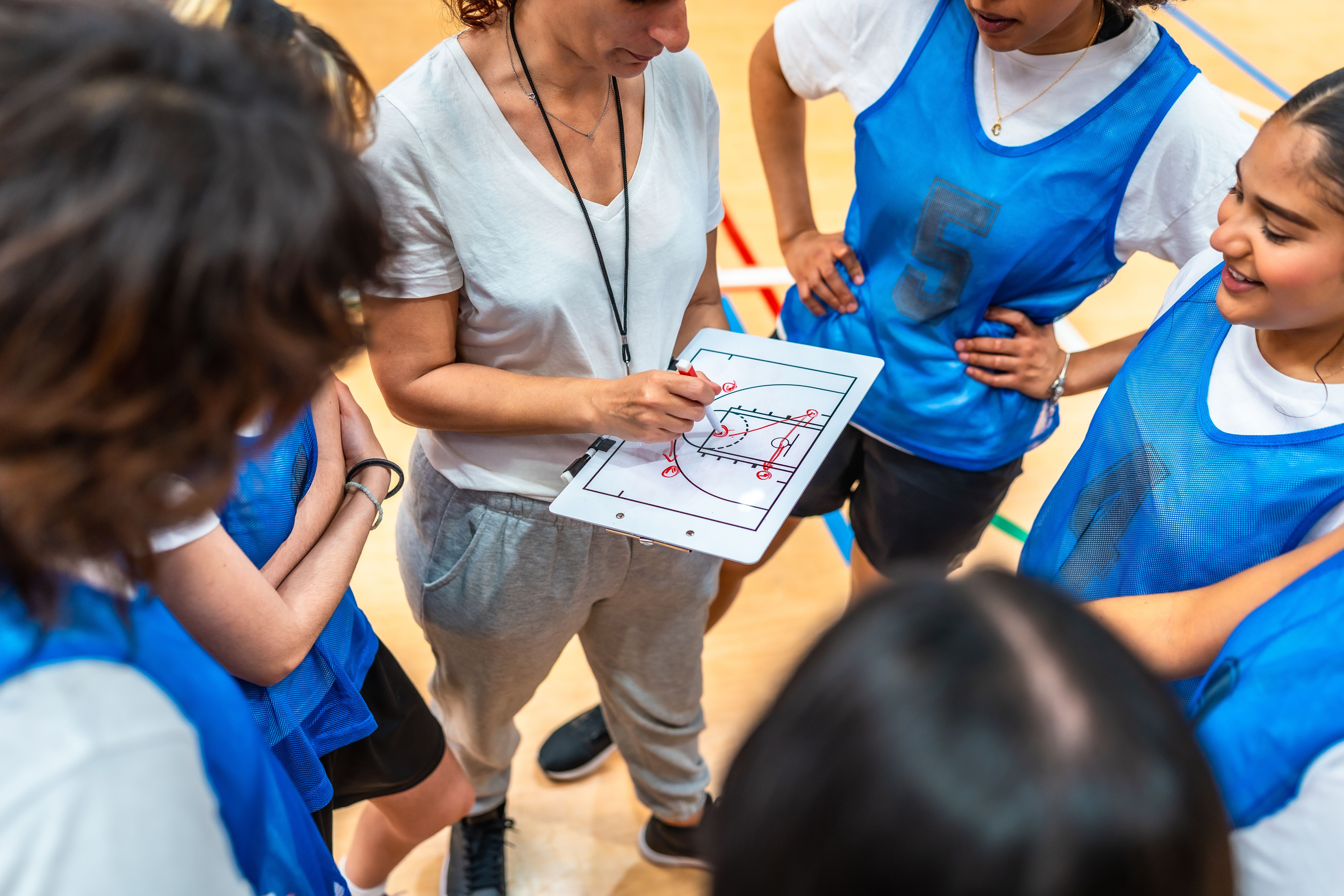
At the heart of youth sports coaching in Slovenia is the development of fundamental skills. This includes not only physical abilities but also cognitive and emotional skills. Coaches should focus on helping athletes understand the game, improve their decision-making abilities, and develop resilience in the face of challenges.
Incorporating Fun and Engagement
Keeping sports enjoyable is crucial for maintaining the interest and enthusiasm of young athletes. Incorporating fun drills, games, and activities can make training sessions more engaging. This approach helps ensure that athletes remain committed and continue to develop their skills over time.
Challenges and Opportunities
While Slovenia offers a robust framework for youth sports, coaches may face challenges such as limited resources or balancing competitive pressures with personal development. However, these challenges also present opportunities for innovation and creativity in coaching methods.

By embracing technology, engaging with the community, and continuously adapting to the needs of young athletes, coaches can overcome these challenges and contribute to the thriving sports culture in Slovenia.
Conclusion
Slovenia’s commitment to youth sports coaching is a testament to its dedication to developing future generations of athletes. By focusing on creating positive environments, developing fundamental skills, and maintaining engagement, coaches can make a significant impact on young athletes’ lives. Whether you are a coach, parent, or young athlete, understanding these principles can help you navigate the dynamic world of youth sports in Slovenia.